


Purchases and consumer rights
Boat purchase agreements
A clear boat purchase agreement reduces the risk of misunderstandings and costly disputes when you buy or sell a boat. Our lawyers help you draft or review an agreement that reflects the boat, the transaction, and the terms agreed upon by the parties.
- Response within one business day
- Experienced lawyers
- Online, wherever you are
Why do you need a boat purchase agreement?
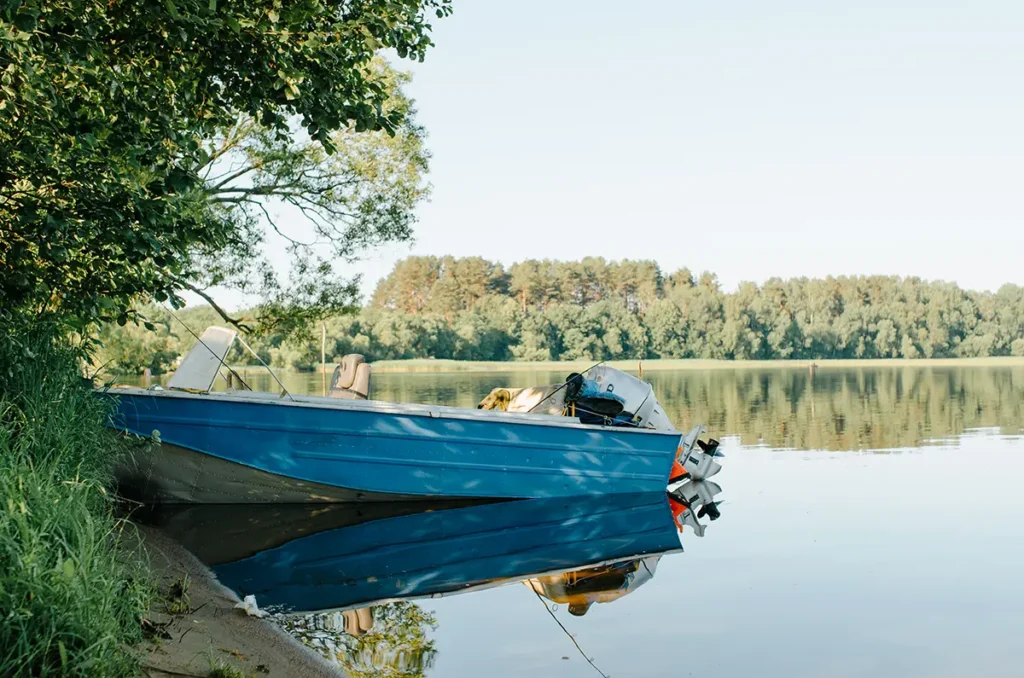
Buying a boat often involves a significant investment, technical equipment, and information that may be difficult to verify later. A written agreement records what the buyer and seller have agreed and can also serve as evidence of the transfer of ownership.
The agreement should describe the boat, the purchase price, payment, delivery, and the condition accepted by the buyer. It should also identify the equipment included in the sale and disclose any known defects or damage.
Oral agreements may be binding, but their terms are usually harder to prove. A written agreement gives both parties a clearer basis if questions or disputes arise after the purchase.
What should a boat purchase agreement include?
The agreement should be tailored to the boat and the way the transaction will be completed. It should normally include:
- the buyer’s and seller’s names and contact information
- the boat’s make, model, model year, and identification number
- information about the engine, engine number, and operating hours when relevant
- the purchase price, payment terms, and any deposit
- the date and place of delivery
- the boat’s condition and any known defects, damage, or repairs
- a list of the equipment and accessories included
- information about registration, insurance, and available documents
- any warranties or other special terms
- the parties’ signatures and the date of signing.
The information in the agreement should match the parties’ actual understanding. Appendices, photographs, and equipment lists can provide a more detailed record of the boat and its condition.
Checks to complete before buying a boat
The buyer should inspect both the boat and its documentation before completing the purchase. For a boat that is not listed in a public ownership register, previous purchase documents and receipts may be important when verifying the seller’s ownership.
Before signing, the buyer should:
- verify the boat’s and engine’s identification details
- request previous purchase documents and relevant receipts
- review the service history, repairs, and known damage
- confirm that the required CE marking documents are available
- investigate whether the boat is subject to financing, a retention of title clause, or other claims
- arrange a professional survey when justified by the boat’s value or condition
- document the condition of the boat and its equipment before delivery.
The purchase agreement does not replace a technical survey. Instead, it should record the results of the checks and state how any identified issues will be handled.
Buying from a private seller or a boat dealer
The applicable rules depend on who is selling the boat. A transaction between private individuals is primarily governed by the agreement and the Swedish Sale of Goods Act. Many provisions of that Act can be changed by agreement, making clear contractual terms especially valuable.
When an individual buys a boat from a business, the Swedish Consumer Sales Act applies. It gives the buyer mandatory consumer protections that the seller cannot restrict through less favorable contract terms.
The agreement should clearly state whether the seller is acting as a private individual or as part of a business.
The boat’s condition and liability for defects
The agreement should describe the boat’s condition as precisely as possible. A provision stating that the boat is sold “as is” does not automatically release the seller from all liability.
The boat may still be considered defective if it does not match the seller’s statements, the seller withheld material information, or the boat is in substantially worse condition than the buyer could reasonably expect under the circumstances.
Known defects should therefore be expressly listed in the agreement. The parties should also state whether the seller must complete any repairs before delivery and what will happen if a defect is discovered after the purchase.
CE marking and registration
Recreational boats manufactured in or imported into the European Economic Area after 1998 generally need to carry CE marking. Buyers should check the builder’s plate, watercraft identification number, declaration of conformity, and owner’s manual.
Some recreational boats must be registered in the Swedish Register of Shipping. The acquisition of a boat that is subject to registration must be reported to the Swedish Transport Agency within the prescribed period. Other recreational boats may qualify for voluntary registration.
If the boat is registered, the agreement should contain the information needed to record the change of ownership.
Payment and delivery
The agreement should state when and how payment will be made and whether the buyer must pay a deposit. It should also specify when the boat will be delivered and when responsibility for the boat passes to the buyer.
Any condition relating to a survey, sea trial, financing, or required repairs should be written into the agreement. The buyer should also make sure that insurance coverage begins no later than the date on which responsibility for the boat transfers.
How we can help you
We help buyers and sellers establish clear terms for the transaction and address legal issues before and after the purchase.
Drafting the purchase agreement
We prepare an agreement tailored to the boat, the transaction, and the terms agreed upon by the parties.
Review before signing
We review an existing agreement and identify unclear provisions and potential legal risks.
Special contract terms
We help address matters such as surveys, deposits, equipment, delivery, and liability for defects.
Advice in a dispute
We help when a dispute concerns payment, ownership, the boat’s condition, or the meaning of the agreement.
Set clear terms for your boat purchase
Schedule a 15-minute meeting with a lawyer to review and discuss your situation.
If you need further assistance, we’ll explain your options, how we can assist you, and what it would cost. If you hire us for your case, the cost of the first 15 minutes will be deducted from your final bill.
Talk to a lawyer
15-minute legal consultation
A brief meeting for quick guidance. Get answers to your questions, understand your rights and options, and learn how to move forward.
Need more help? You can also schedule a longer meeting with a lawyer for assistance with a specific task or a more complex situation.
Concerned about the cost? In some cases, part of the cost may be covered by legal expenses insurance or legal aid. We also offer payment plans through Klarna. Learn more about costs and financing →
Get help from our lawyers
Speak with one of our lawyers when you need help drafting or reviewing a boat purchase agreement. We help you identify risks and establish clear terms before you sign.

Mirxan Özalp
Jur. kand.
Mirxan is a lawyer with a Swedish law degree from 2023. He focuses particularly on matters within real estate law, housing and tenancy law, and construction law. He also assists clients with general civil law matters, including contract law and…

Farid Laghrissi
Farid holds a Master’s degree in Business Law and works as a lawyer at Kliently.
Farid holds a Master’s degree in Commercial and Business Law from Linköping University and graduated in 2022. He assists both private individuals and businesses with legal matters across several areas of law. As a private individual, you can turn to…

Mirella Nunes Siqueira
Consulting lawyer
Mirella works as a lawyer at Kliently, specialized in business law, financial family law, labor law and consumer law. It’s easiest to book a meeting with Mirella through the Kliently app if you’re in need of a quick consultation. If…
FAQ
Frequently asked questions about boat purchase agreement
There is generally no requirement that the agreement be written. However, a written agreement makes it much easier to prove the agreed terms and establish who acquired the boat.
Check the seller’s ownership, the boat’s identification details, service history, known damage, included equipment, and available documentation. For a significant purchase, arranging a professional survey is often advisable.
It means that the buyer accepts the boat’s general condition at the time of purchase. The seller may still be liable if the boat does not match the information provided, material information was withheld, or the boat is in substantially worse condition than the buyer could reasonably expect.
It depends in part on the boat’s size and use. Recreational boats with a hull length of at least 15 meters may be subject to registration requirements. Some smaller recreational boats may be registered voluntarily.
Book a free 15-minute consultation
Tell us briefly about your situation, and we’ll get back to you within one business day to schedule a video consultation.